Deem Journal: Redefining design as a collective invitation to shape equitable futures
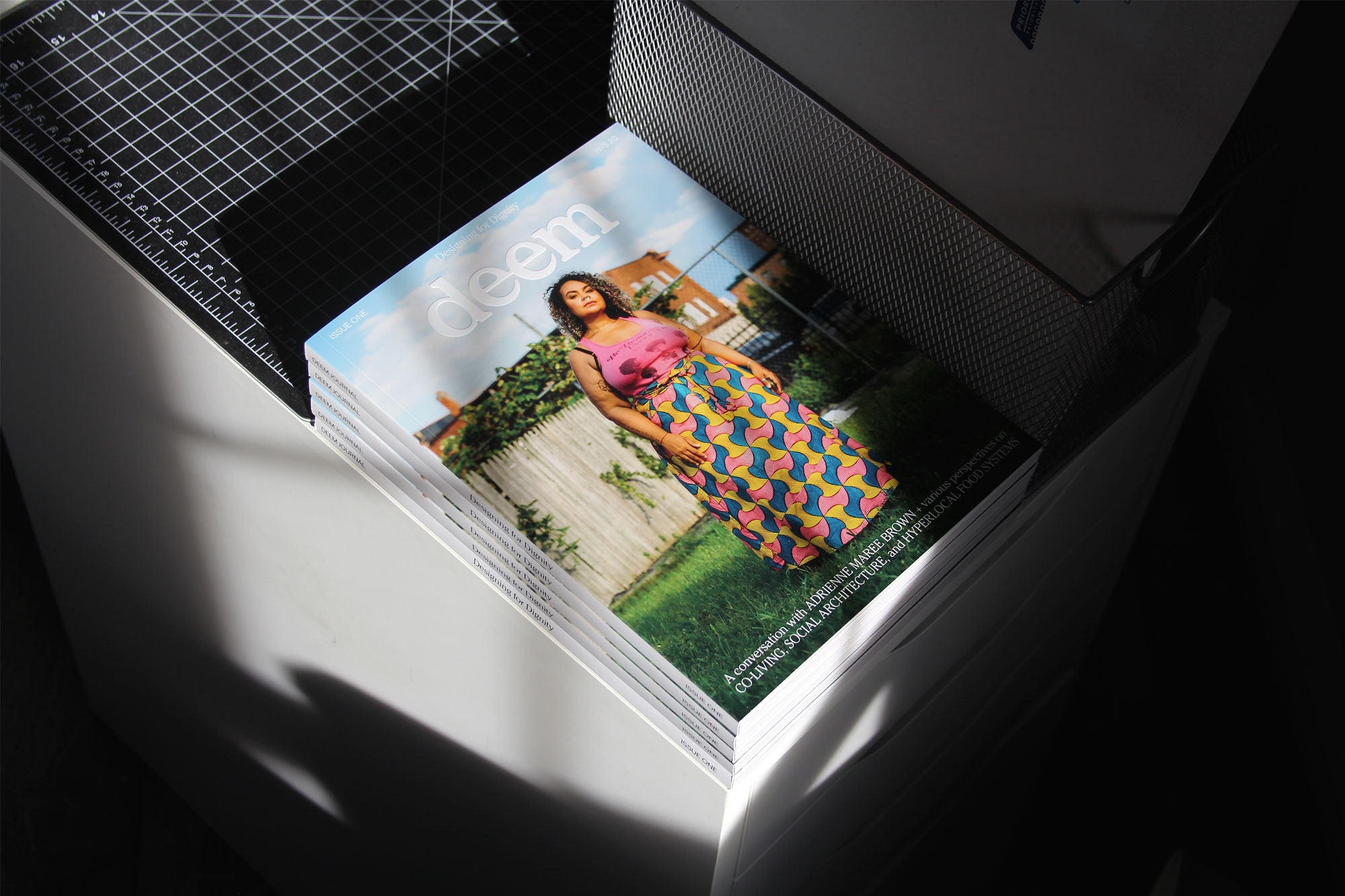
Deem is an award-winning platform that dismantles traditional silos by framing design as a social practice rooted in care, collaboration, and cultural context. From its origins as a print journal to its multidimensional dialogue across audio and public programming, Deem invites diverse voices to collectively reimagine design’s potential in creating just, equitable, and interconnected futures.
Challenge
Deem was created to expand the public understanding of design, moving it beyond aesthetics and professional practice toward questions of dignity, equity, culture, and collective life.
The challenge was to build a platform capable of bringing together practitioners, communities, disciplines, and perspectives without reducing their differences to a single institutional voice.
Approach
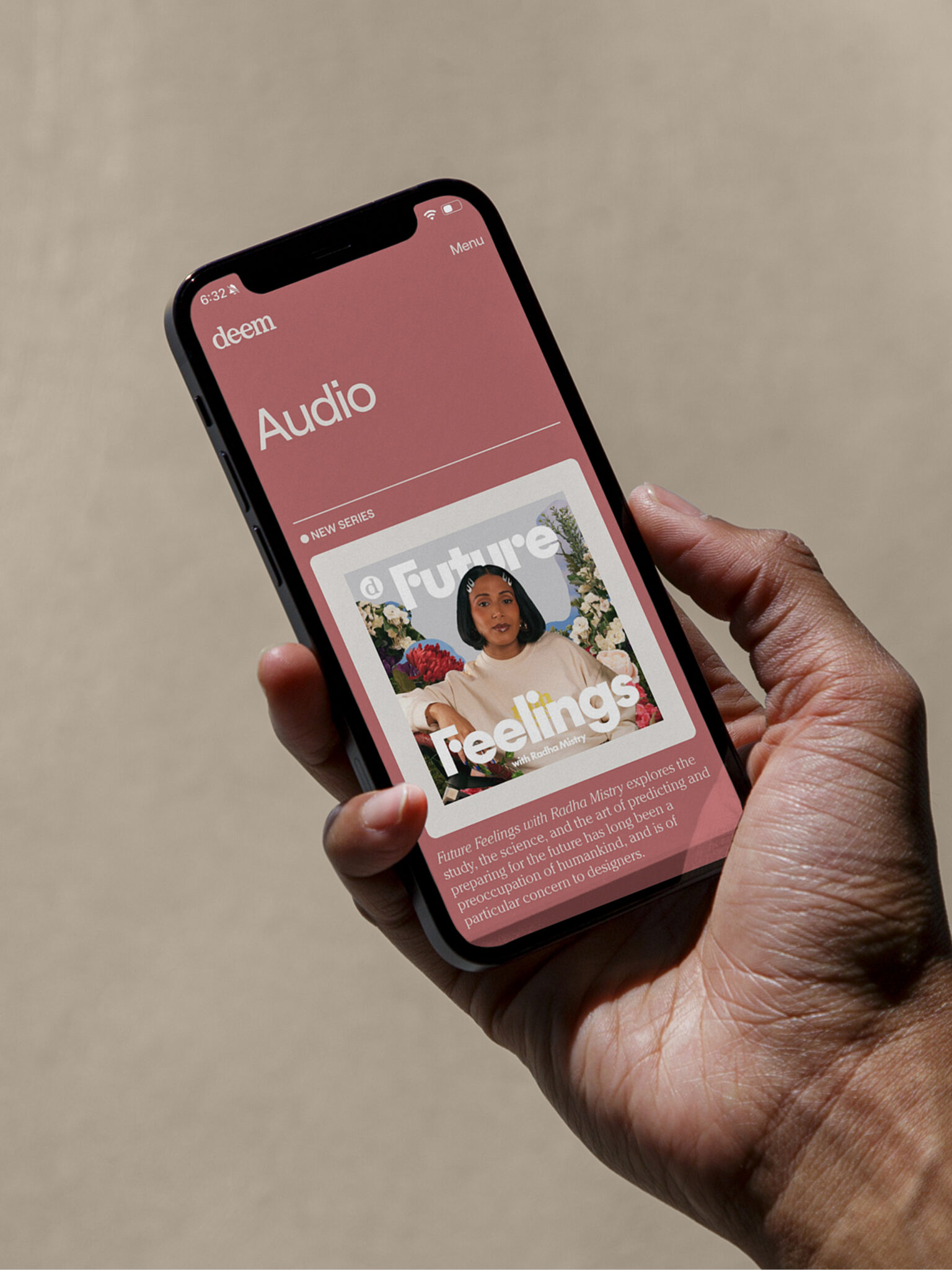
RFM developed Deem as an integrated editorial and cultural platform spanning print publications, digital storytelling, podcasts, public programs, institutional partnerships, and an annual symposium.
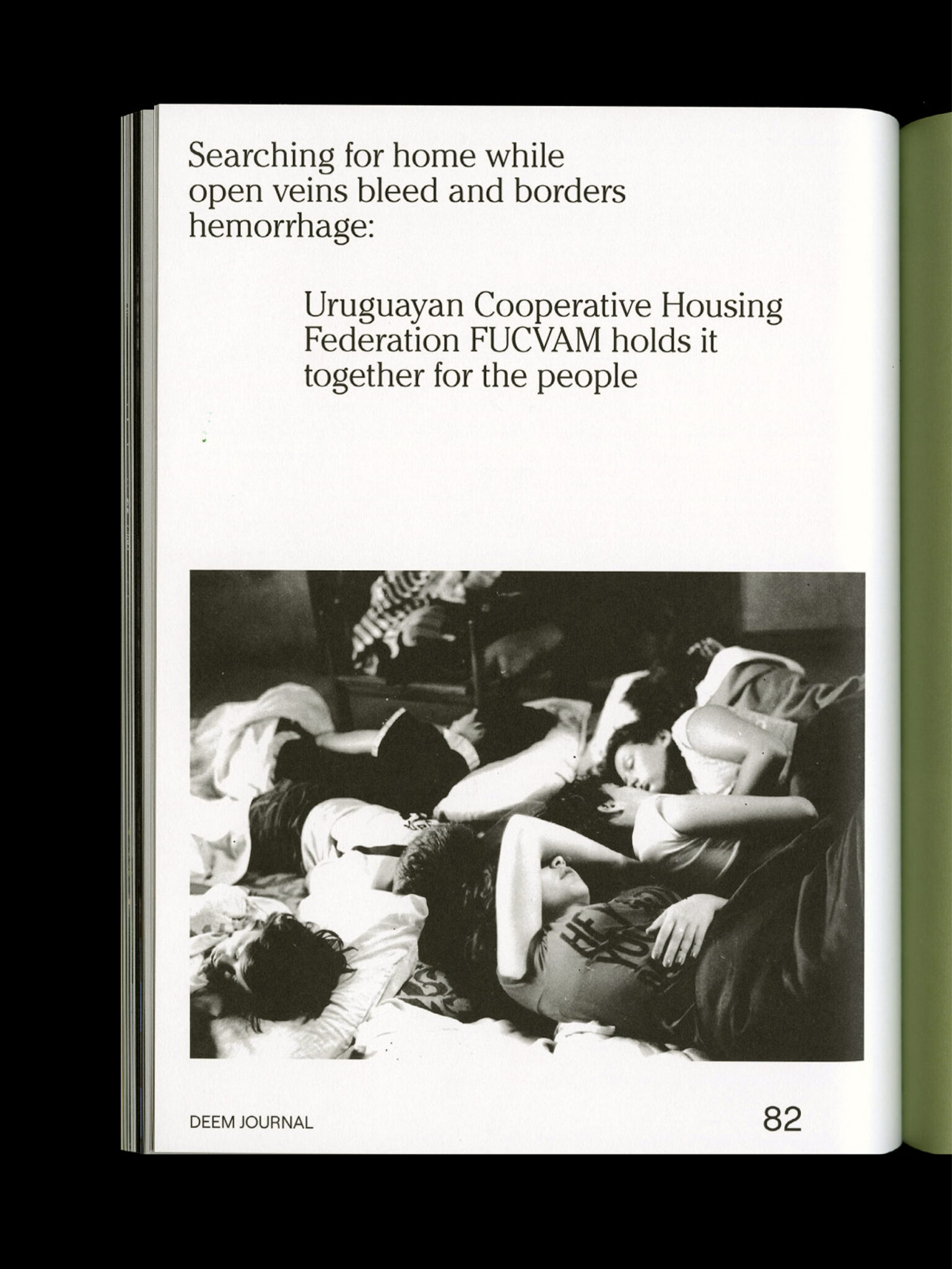
Each issue begins with a distinct question, but is shaped by a consistent commitment to representation, complexity, accessibility, and care. Contributors are invited into a shared framework while retaining the specificity of their own language, experience, and practice.
Identity
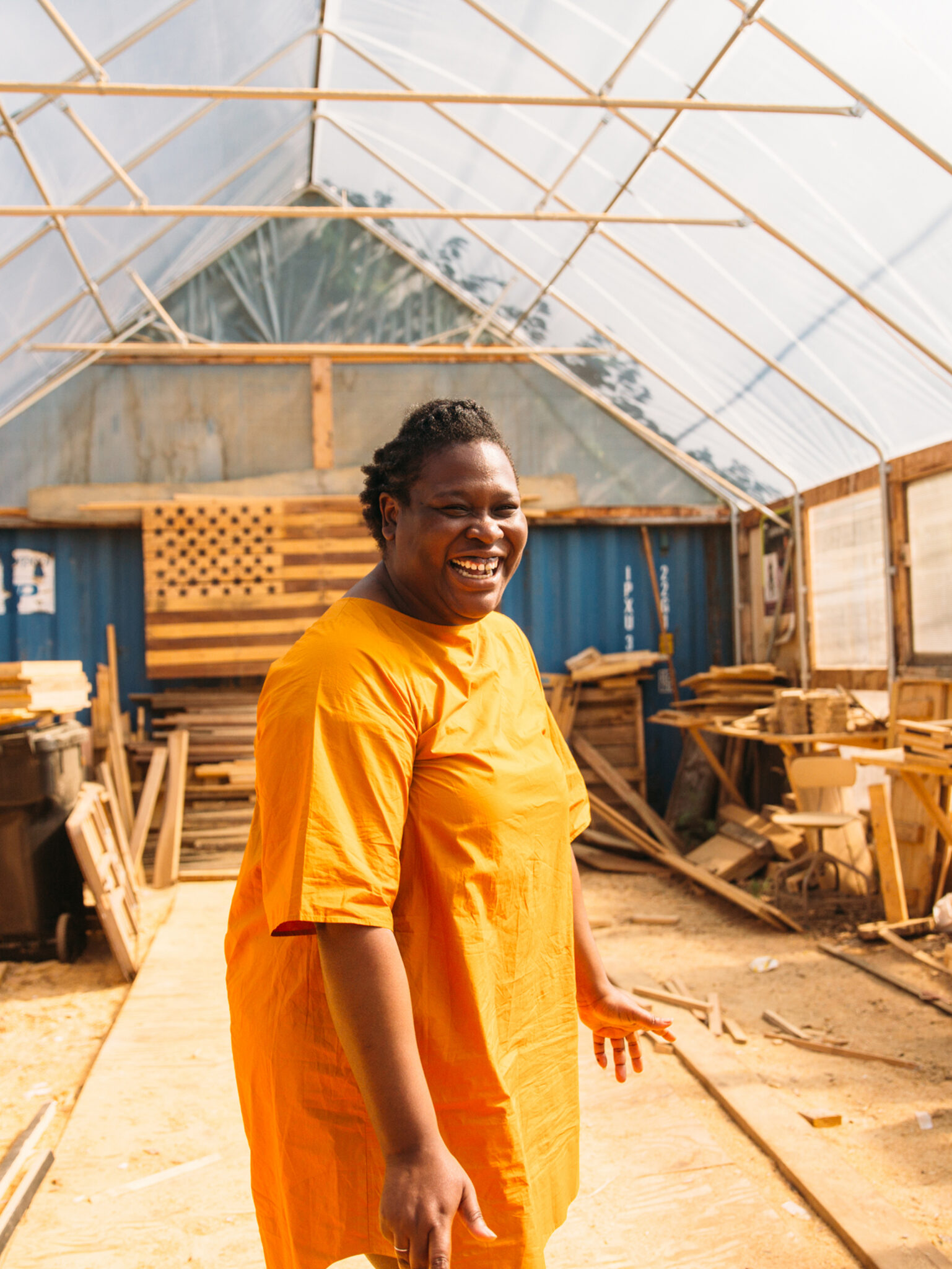
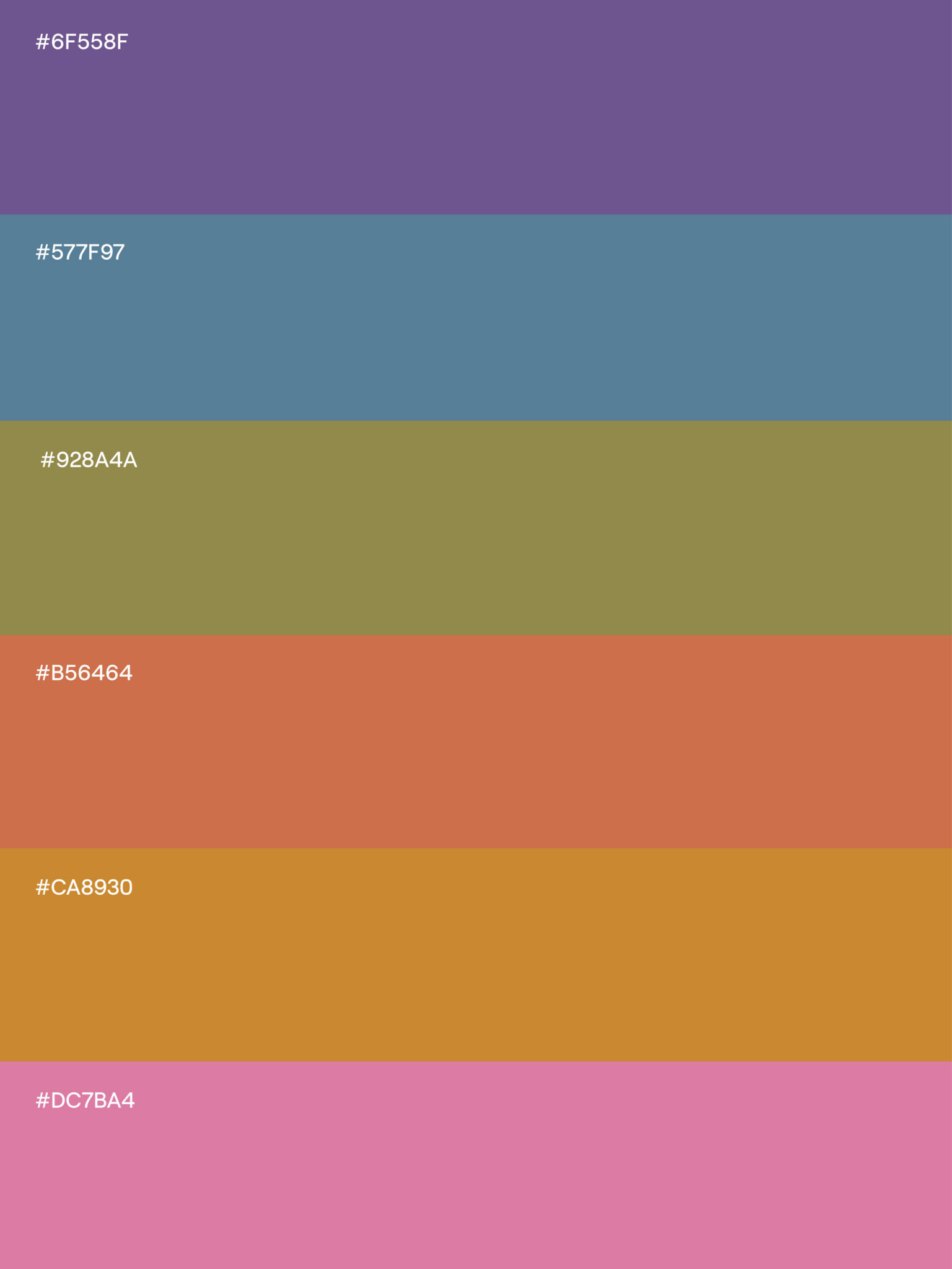
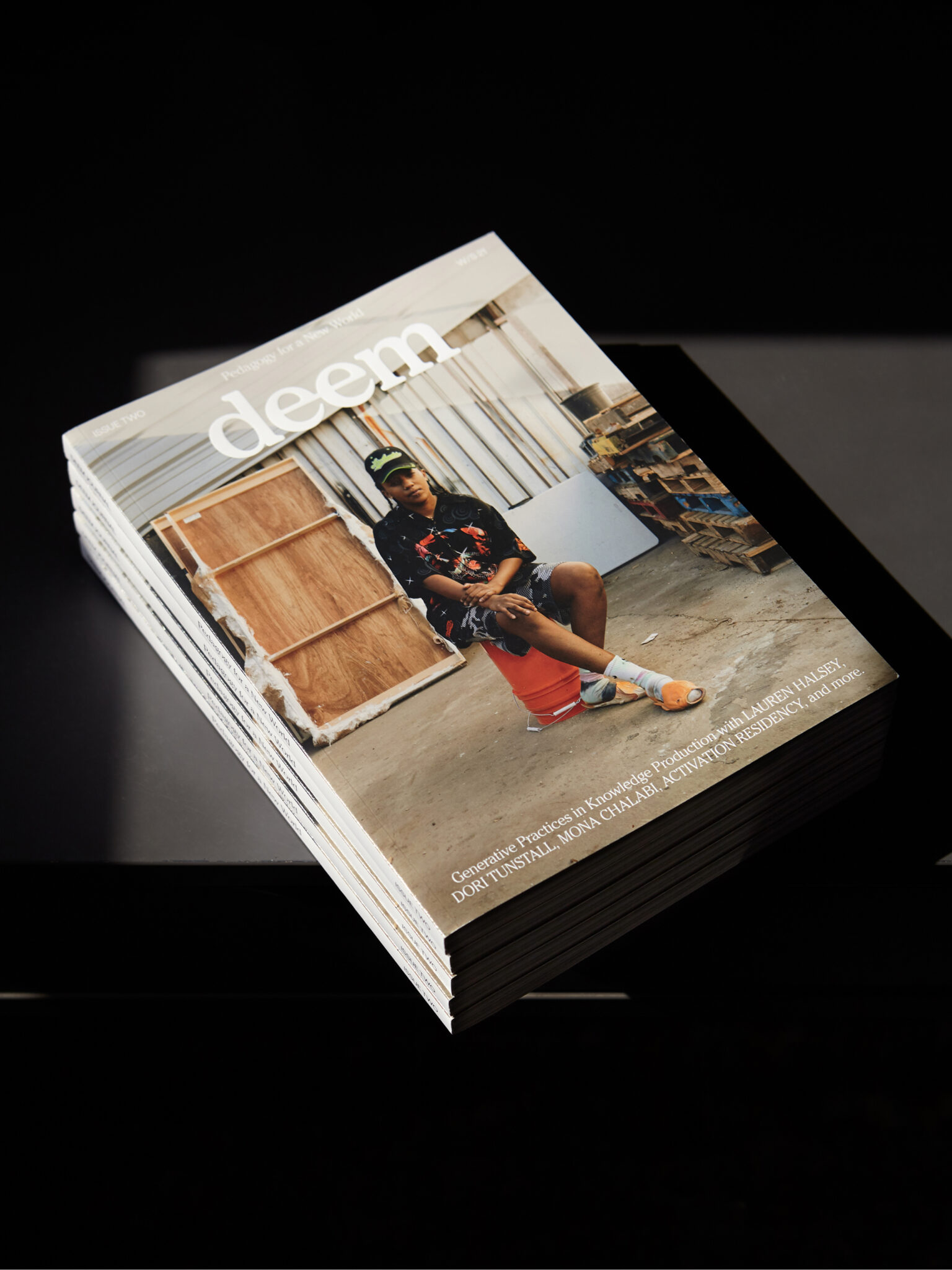
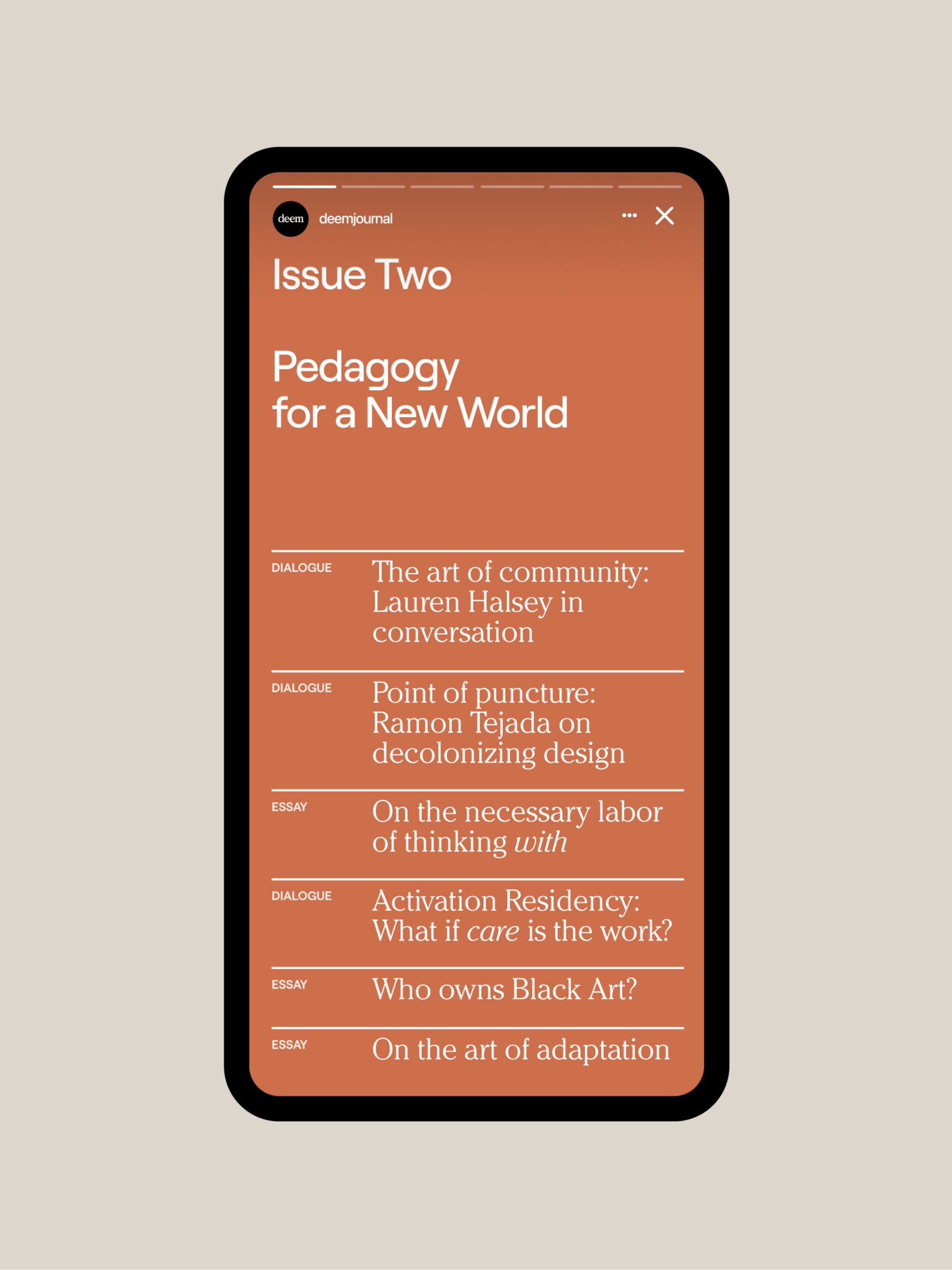
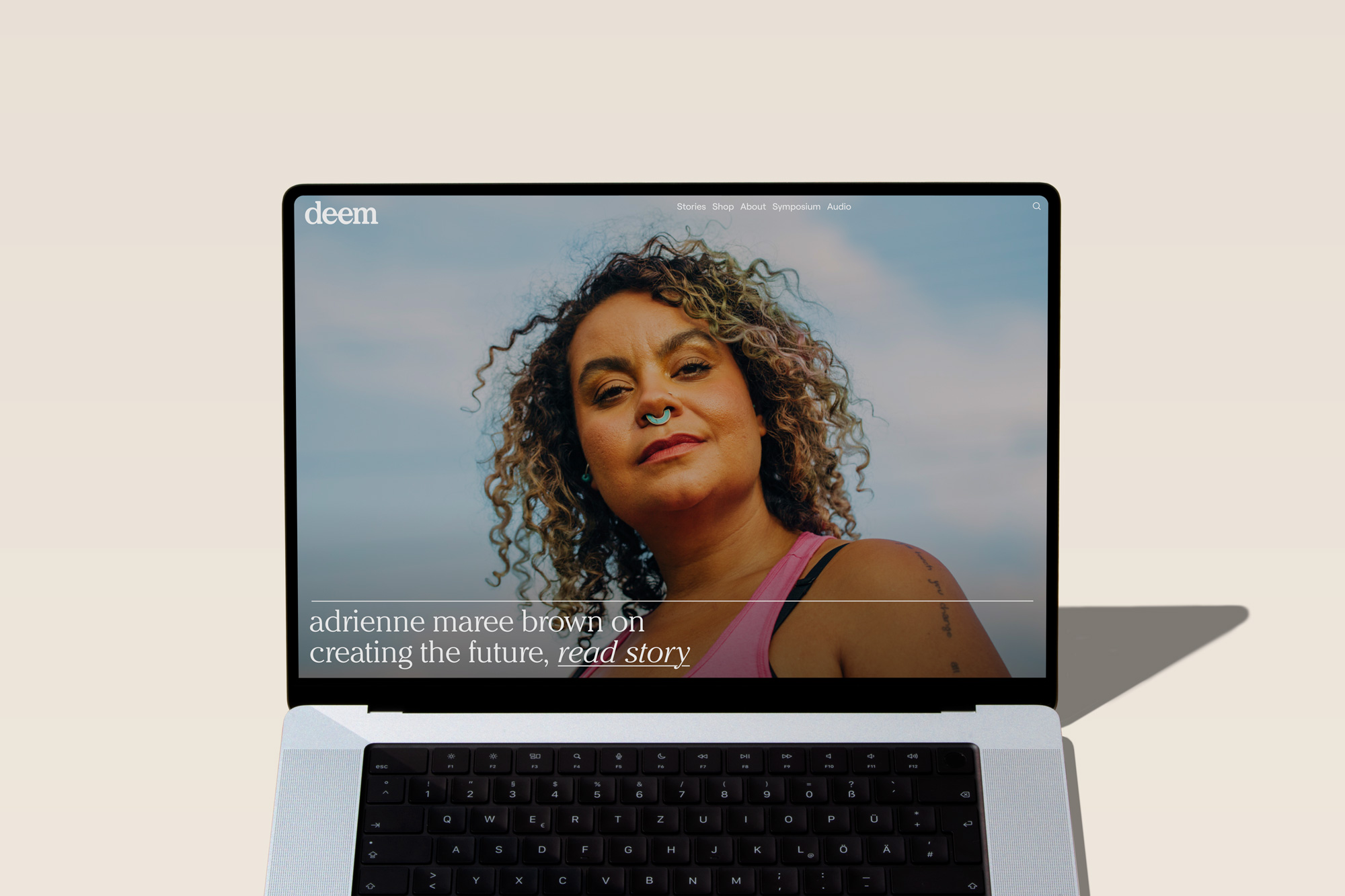
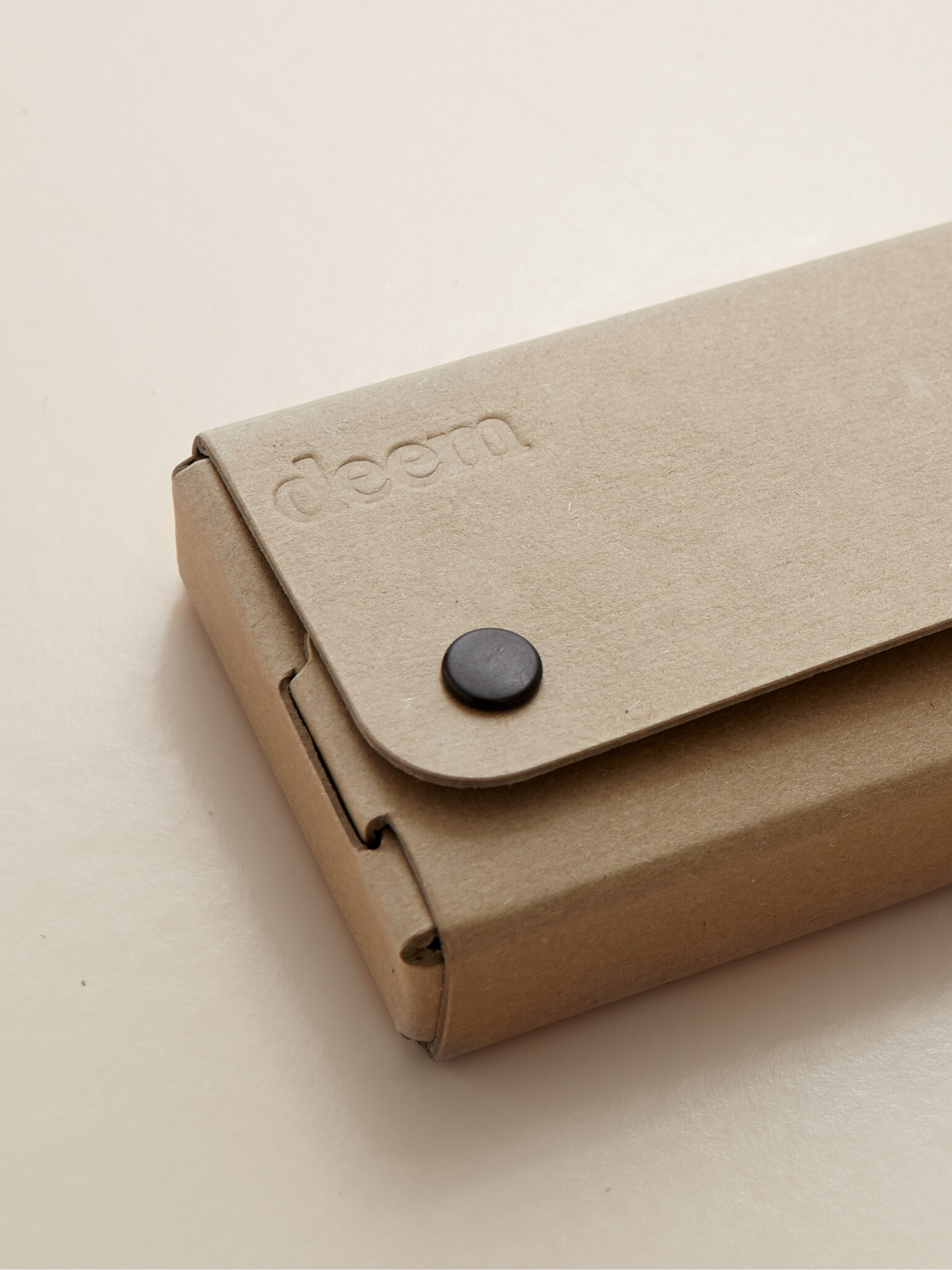
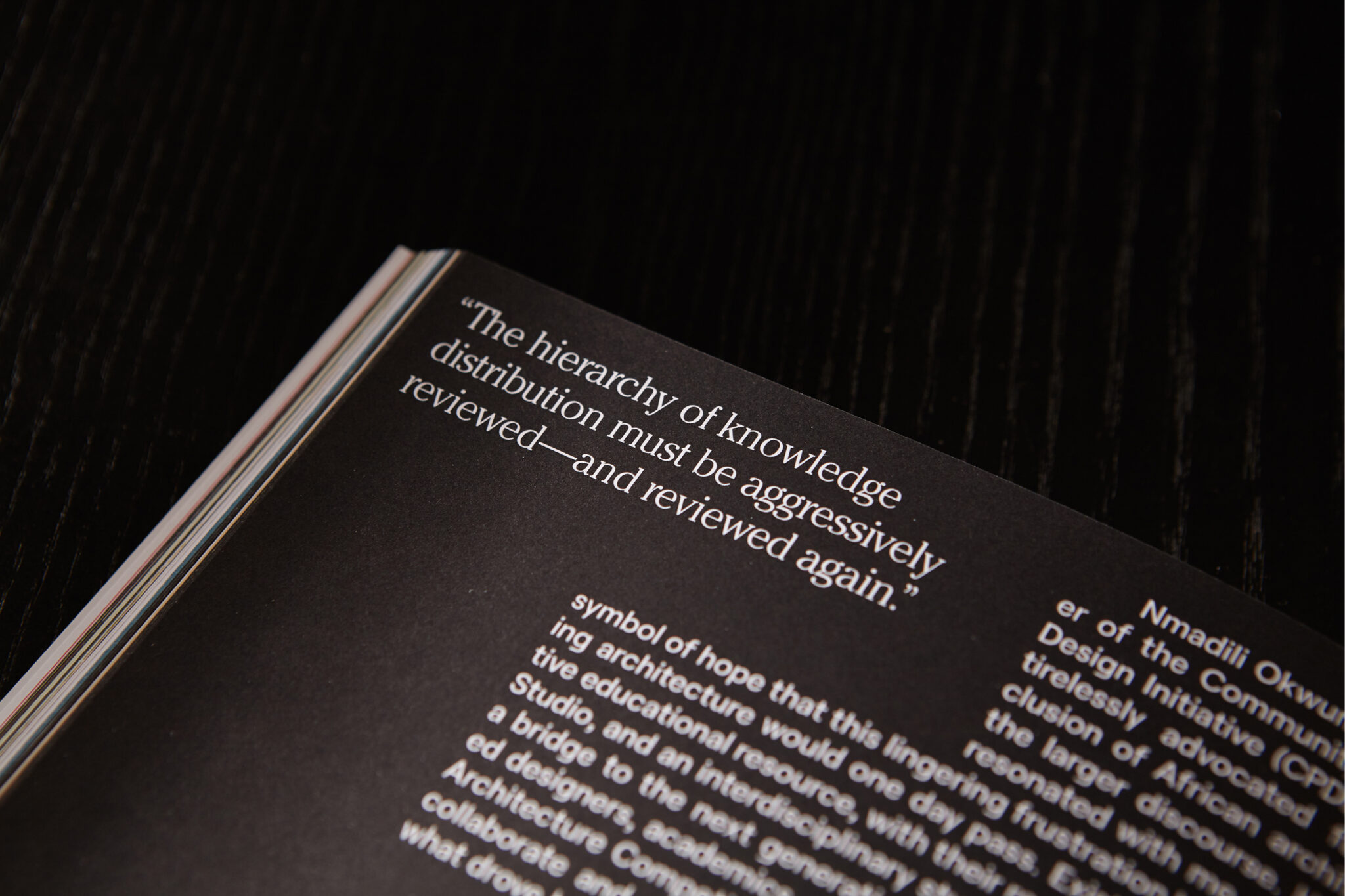
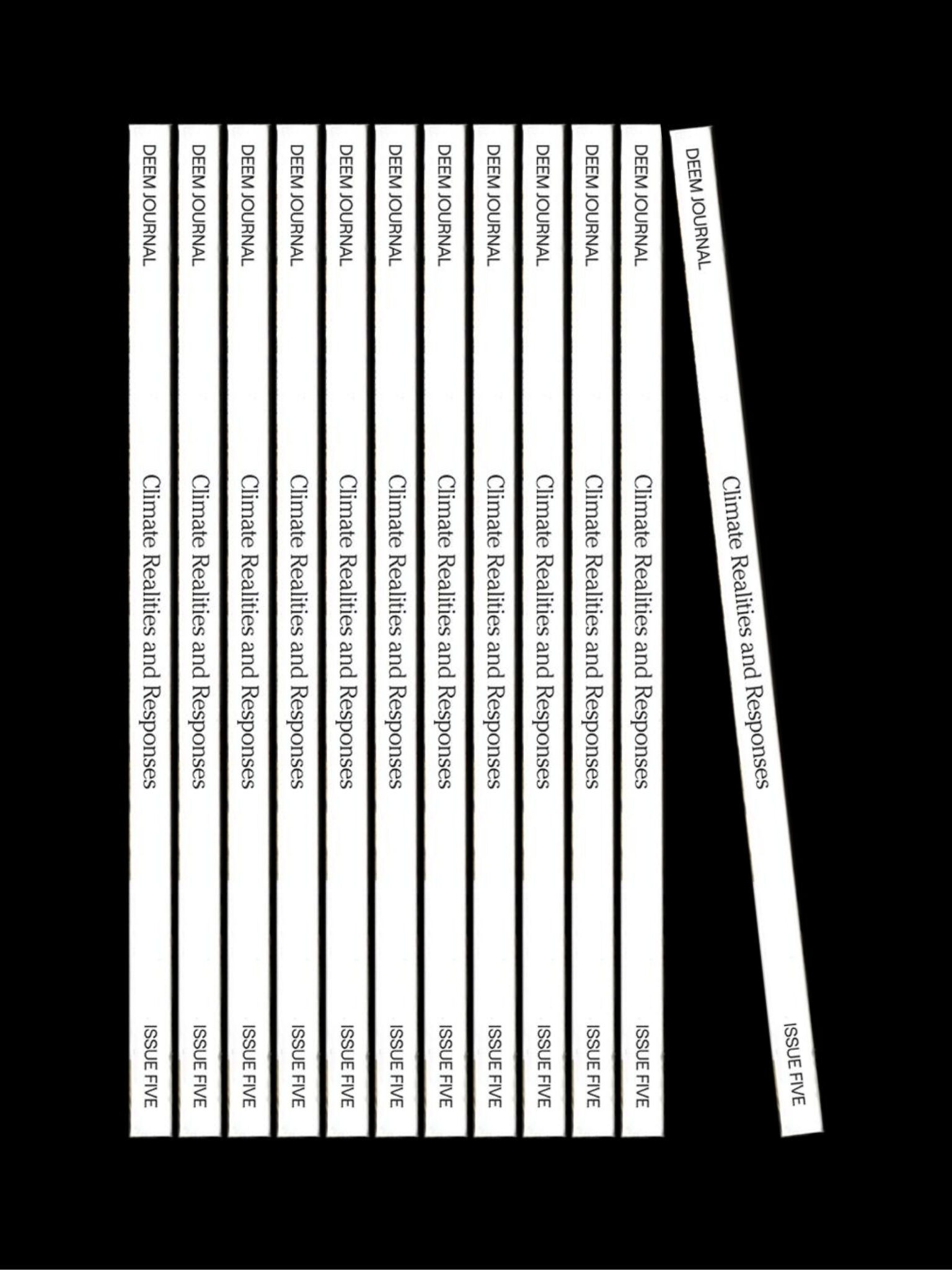
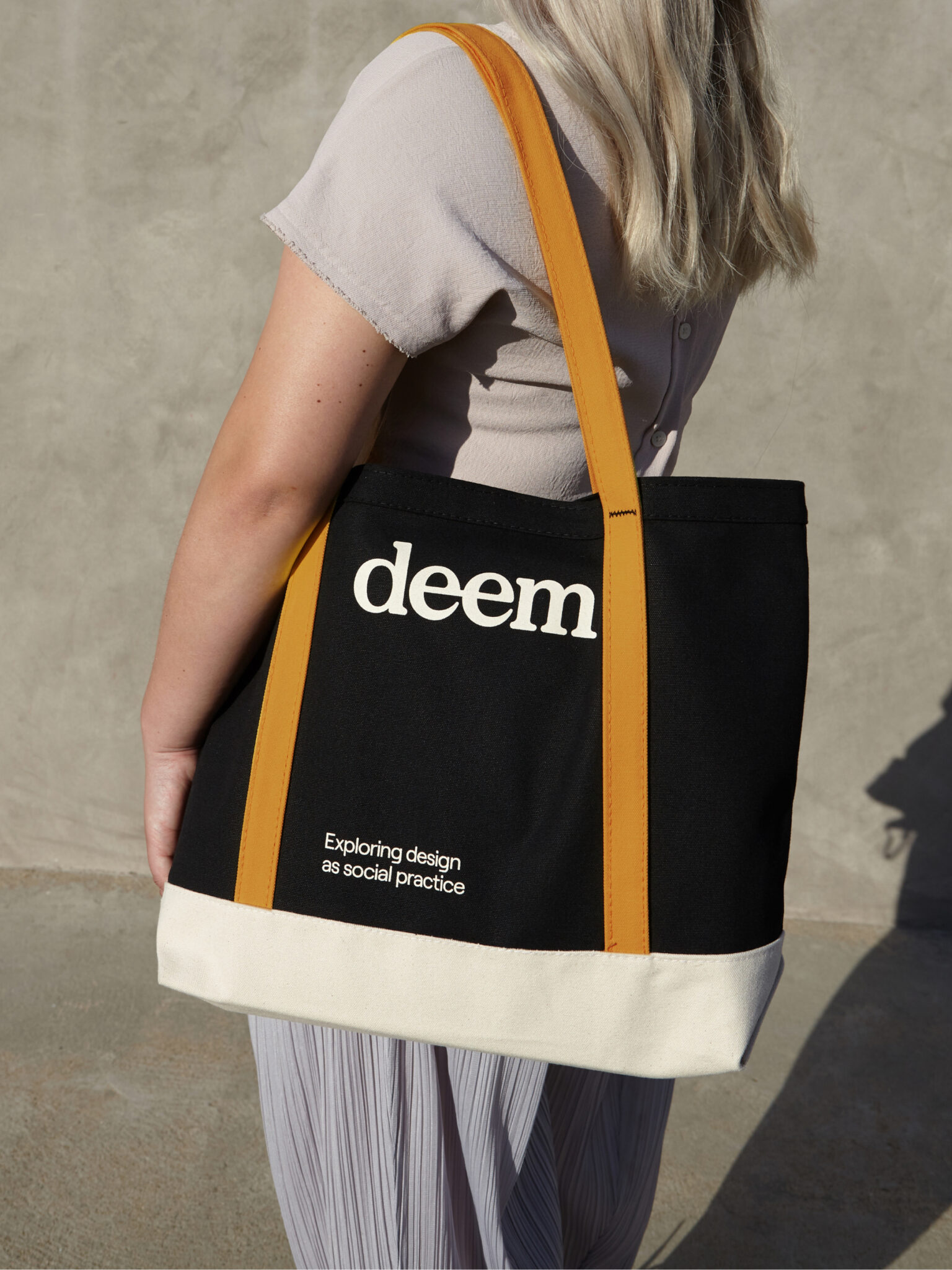
Deem’s identity balances structure and energy, bringing clarity to complex ideas while remaining expressive, approachable, and inviting. Working with Justin Gorman and Tim Kamerer, we established a distinctive wordmark and a flexible typographic and editorial foundation. The system creates continuity across the platform while allowing imagery, color, composition, and art direction to evolve, giving each issue and program its own character without losing a shared identity.
Photography
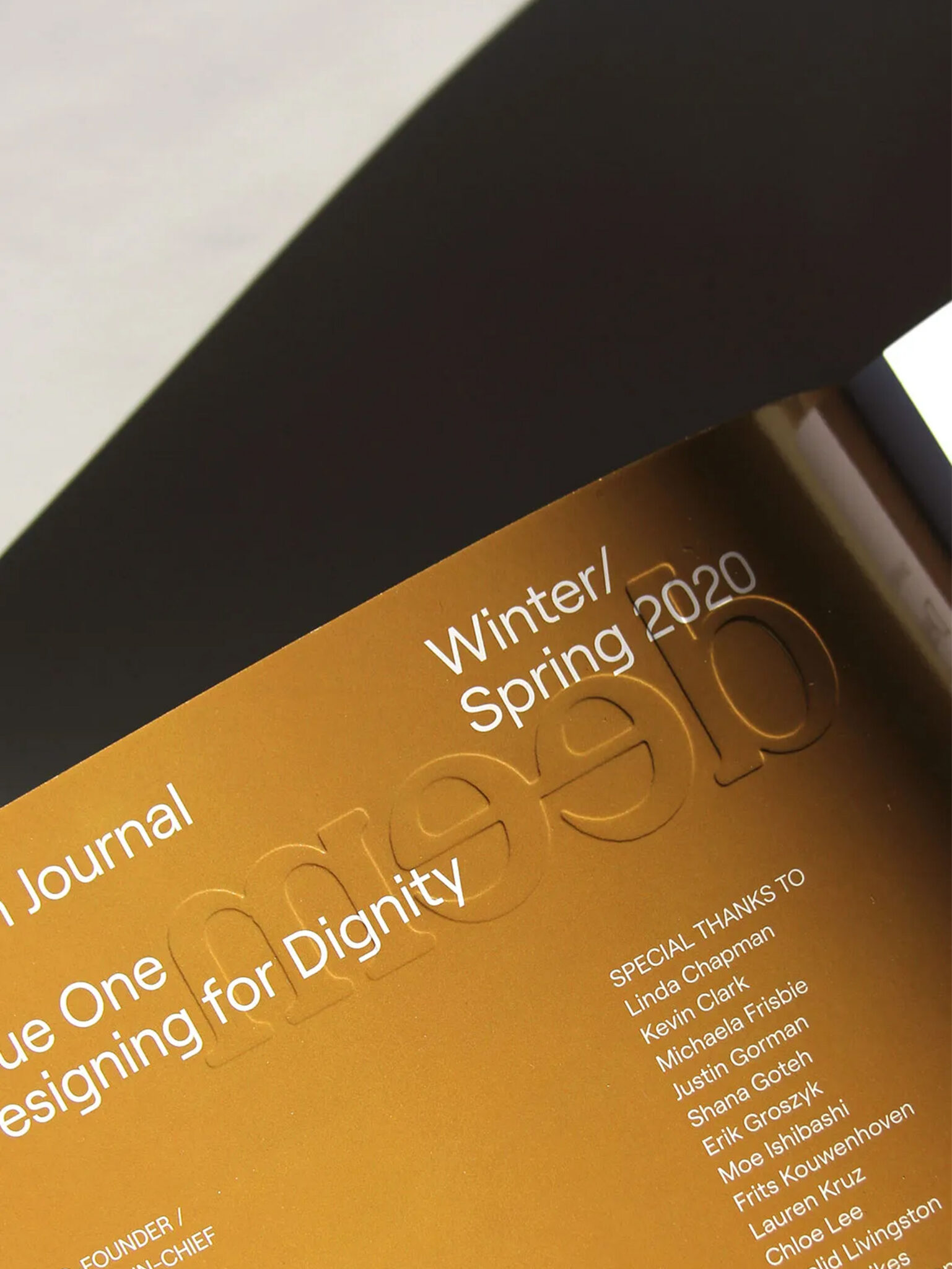
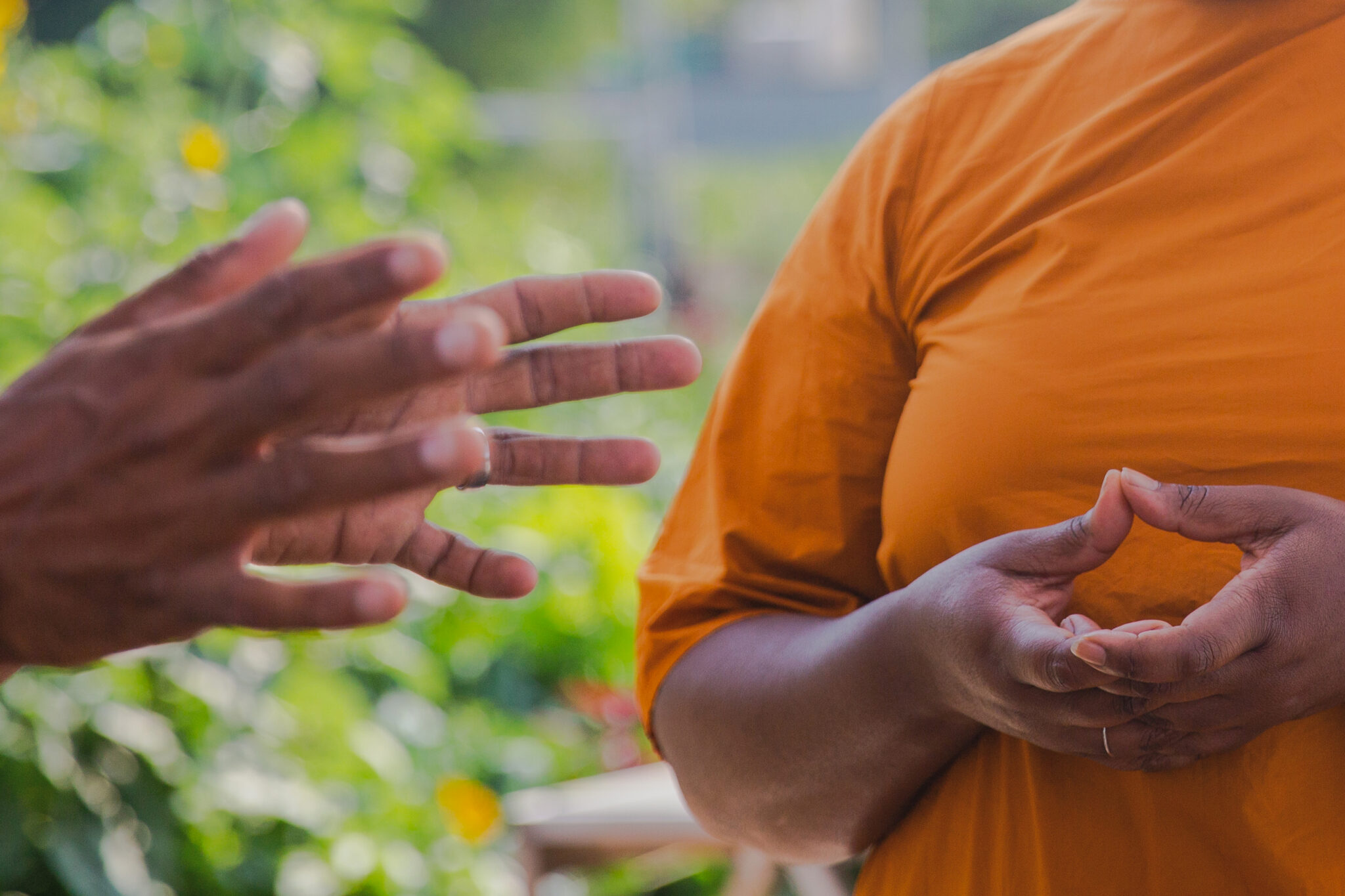
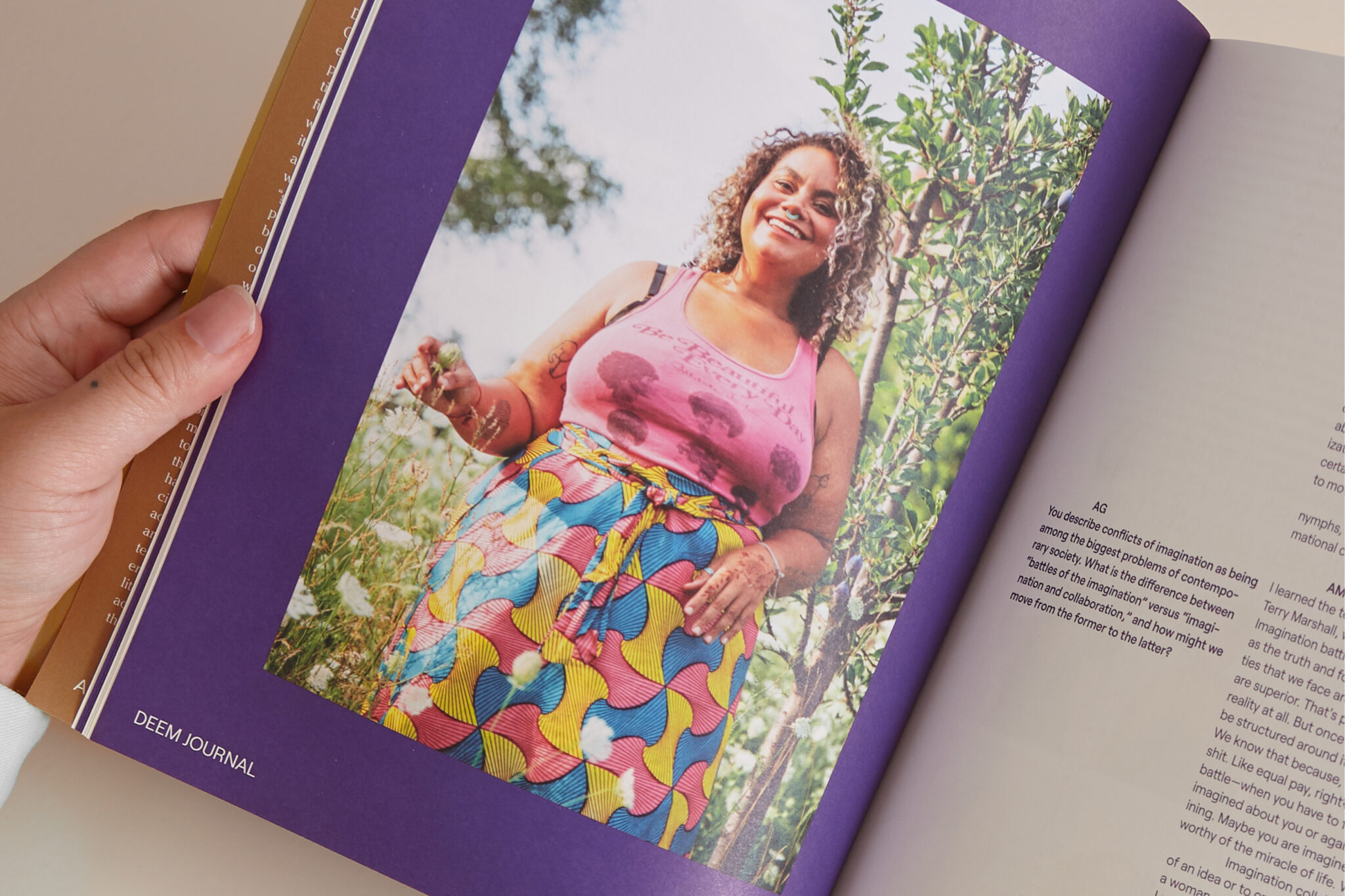
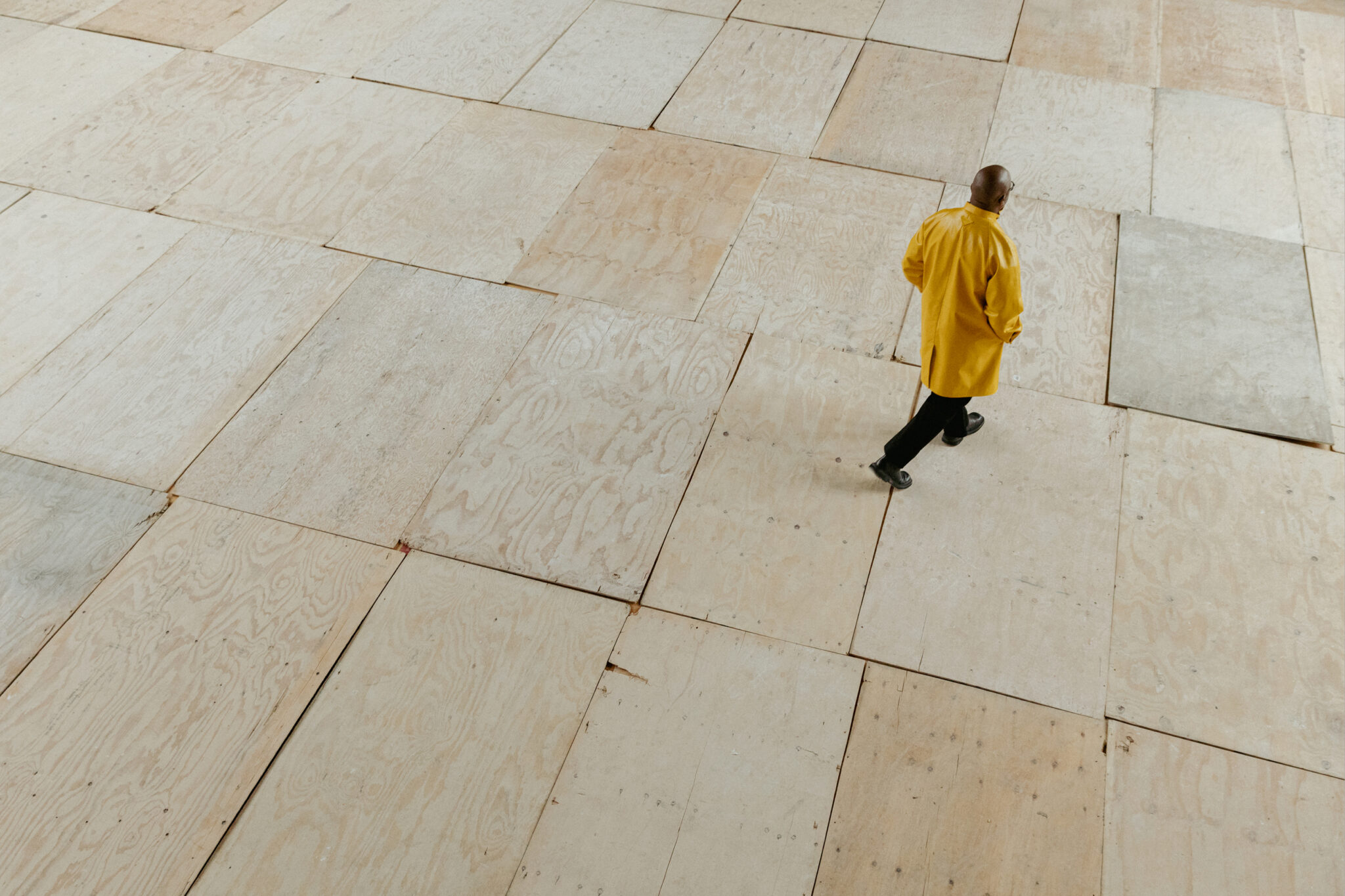
Photography plays a central role in Deem’s editorial approach, grounding the ideas explored in each issue in the lived experiences of people and communities. We believe design exists not only in theories and frameworks, but in the everyday practices, relationships, and environments that shape our lives. Rather than simply documenting these experiences, photography serves as a form of visual storytelling that celebrates the vibrancy, complexity, and humanity of the people, places, and communities we feature.
Platform
The system extends across publications, websites, social campaigns, audio series, signage, event environments, presentations, and partner communications—creating coherence without requiring every expression to look the same.
“The immersive nature of the publication draws readers into each conversation and breaks down the boundaries and limitations which have been built from existing spheres, highlighting a roadmap which explores the diversity of design as a process.”
— Rodney Clarke, Design Editor, Forbes
Outcome
Deem demonstrates how identity can operate as cultural infrastructure: connecting distinct voices, programs, and experiences through a shared sense of purpose. Since its launch, the platform has grown into an award-winning journal and programming ecosystem with an international audience, institutional partnerships, and sold-out public convenings. Deem offers a recognizable framework through which people can gather, exchange ideas, and collectively imagine what design (and the institutions around it) could become.